Views: 0 Author: Site Editor Publish Time: 2025-06-10 Origin: Site
Think cargo and truck mean the same thing? They don’t—and here’s why it matters.
Cargo is the stuff being moved. A truck is the vehicle moving it.
In this post, you’ll learn the real difference between cargo and truck, and how they work together in transport.
Cargo is the stuff being transported. It includes anything from tools to food, furniture, or boxes. If it’s loaded into a vehicle for delivery or moving, it’s considered cargo.
Types of Cargo:
Palletized goods
Packages and boxes
Furniture or appliances
Food and beverages
Liquids and chemicals
Construction tools and equipment
Where Cargo Travels:
On land: in cargo vans, trucks, or trailers
By sea: inside freight containers on ships
By air: through air cargo in airplanes
No matter the vehicle, cargo is the item being moved, not the mover itself.
A truck is a powered vehicle built to carry cargo. It has an engine, wheels, and a frame designed to hold or pull loads.
Unlike trailers, trucks don’t need to be towed. And compared to vans, trucks usually offer more cargo space or load options.
Common Types of Trucks:
Pickup trucks: Open-bed design for quick loading
Box trucks: Separate box-shaped cargo area, great for bulky goods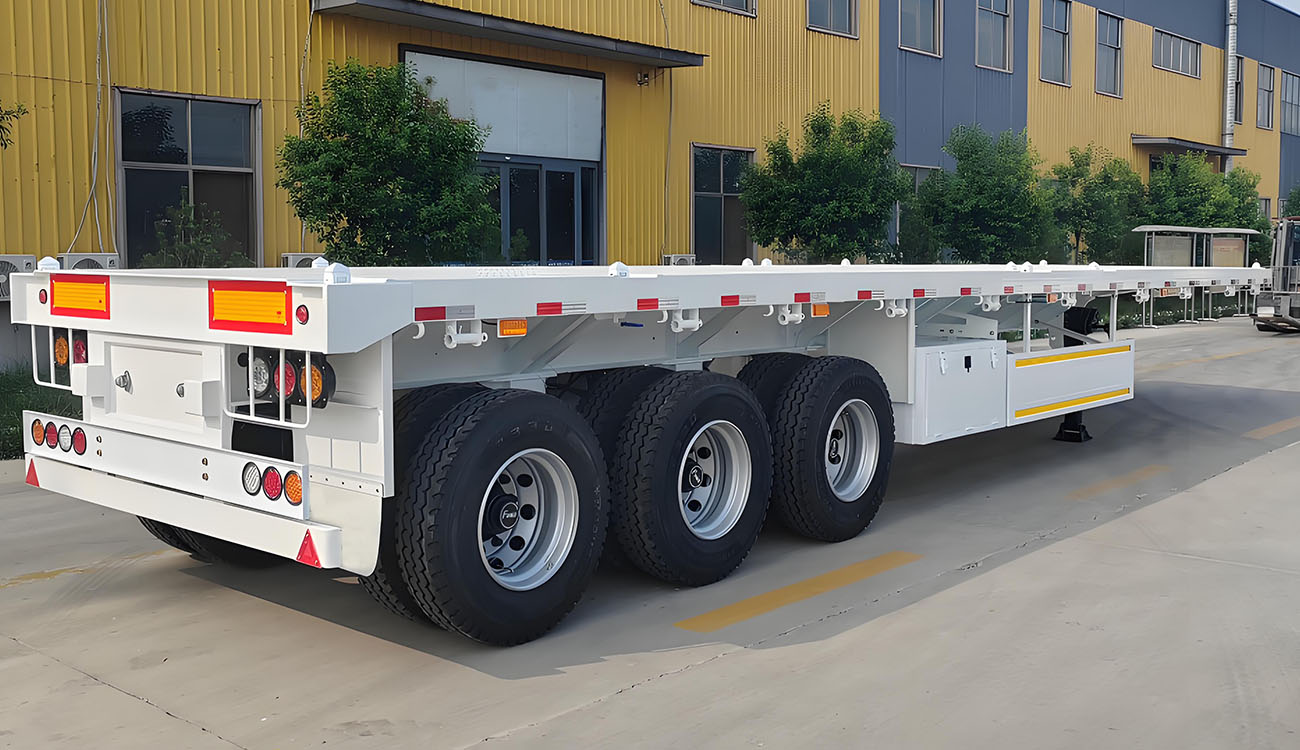
Cargo is what gets moved. It includes items like furniture, packages, tools, or equipment. Whether big or small, it's the payload.
Truck is the vehicle that moves the cargo. It could be a box truck, cargo van, or pickup—its job is to transport.
One carries, the other is carried.
Cargo has no engine. It can be boxes, pallets, machines—whatever needs to be delivered. It comes in all shapes and sizes.
Truck is a motorized vehicle with a defined frame. It includes components like wheels, cab, cargo space, and engine.
It’s built to move things.
Cargo depends on the truck to go anywhere. Without transportation, cargo stays put.
The truck has no use unless it’s carrying something. Its purpose is tied to what it transports.
One needs the other to complete the job.
Structure: A box truck has a cab and a separate, box-shaped cargo area. The two parts are not connected from the inside. Most have roll-up rear doors.
Usage: These are perfect for moving services, retail deliveries, and transporting bulky items like furniture or appliances.
Cargo Handling: Many come with liftgates, which make it easier to load heavy boxes or equipment. Their straight sides also allow for easy stacking and exterior advertising.
Structure: Unlike box trucks, cargo vans are built as one piece. You can access the cargo area from the driver’s cab.
Usage: Plumbers, electricians, and small delivery services often rely on cargo vans. They’re compact but roomy enough for tools and supplies.
Benefits: They handle like regular cars, making them easier to park and drive. You can install shelves, drawers, and partitions for better organization.
Structure: Pickup trucks have an open bed at the back. There’s no roof or enclosure, so the cargo is exposed to weather.
Usage: Ideal for hauling tools, outdoor gear, or larger items that don’t need full enclosure. They’re commonly used in construction and landscaping.
Considerations: While easy to load, the open bed makes cargo less secure. Weather and theft protection are limited unless you add a cover.
Not all trucks are built the same, and neither is your cargo. Here’s how to pair them smartly:
| Cargo Type | Best Truck Option | Why It Works |
|---|---|---|
| Furniture & Appliances | Box Trucks | Box trucks offer a high, enclosed space. Great for stacking and heavy lifting. |
| Small Business Tools | Cargo Vans | Easy to organize, with shelves and direct cab access. Perfect for daily use. |
| Outdoor Equipment | Pickup Trucks | Open bed design makes loading gear fast. Also handles rougher terrain. |
| Perishables | Refrigerated Trucks | Keeps temperature-sensitive goods safe and fresh on longer routes. |
| Bulk Dry Goods | Flatbeds or Semi-Trailers | Large, open loading surface ideal for pallets or oversized materials. |
Use the right truck for each job. It protects your cargo, saves time, and improves delivery efficiency.
Always check the size and weight of your cargo before choosing a truck. A heavy or oversized load may require a box truck or freight truck. For lighter or smaller items, a cargo van is often enough.
| Cargo Type | Suggested Truck Type | Notes |
|---|---|---|
| Furniture, appliances | Box truck | Large space and rear liftgates help |
| Tools, small packages | Cargo van | Easy access and organized shelving |
| Heavy equipment | Freight truck | Higher capacity and reinforced build |
If you're moving fragile or expensive goods, security matters. Enclosed trucks like cargo vans and box trucks protect cargo from weather, theft, and damage. Open-bed trucks, such as pickups, expose goods to the elements.
Quick Comparison:
Cargo Van – Fully enclosed, secure, ideal for city work
Box Truck – Large enclosed space, good for stacking and branding
Pickup Truck – Open bed, less secure, useful for heavy but weatherproof items
Delivery frequency and distance affect what type of truck you need. For frequent, local deliveries, cargo vans are great—they're easy to drive and park. If you're doing long-distance hauls, a box truck or freight truck offers better capacity and durability.
| Use Case | Best Option |
|---|---|
| Daily city deliveries | Cargo van |
| Interstate shipping | Box or freight truck |
| Occasional hauling | Pickup or van |
Imagine a plumber arriving at a job site. Instead of rummaging through an open truck bed, they simply slide open the side door of a cargo van. Inside, everything is organized. Shelving units hold labeled bins for fittings, pipes, and tools. The plumber walks straight from the cab to the rear without stepping outside. It's quick, weatherproof, and secure—perfect for daily service calls in tight city streets.
Now picture a moving team handling bulky sofas, fridges, or office furniture. They rely on a box truck with a rear roll-up door and a liftgate. These features make it easy to load heavy items without strain. The high, boxy shape allows large items to stack neatly inside. Movers access everything from the back, and because it’s separate from the cab, the cargo stays clean and undisturbed.
In retail, delivery teams need to move large volumes of stock fast. A dry van truck or box truck fitted with a liftgate is ideal. Workers roll loaded pallets directly into the truck using pallet jacks. These trucks offer flat floors, tall interiors, and secure doors—perfect for safe and organized delivery to stores. This setup keeps goods protected from weather and shifting during transport.
Keeping your cargo truck in top shape means checking key systems regularly. Skipping maintenance can lead to delays or breakdowns.
Brakes: Inspect brake pads and lines. Heavy loads wear them out faster.
Fluids: Monitor oil, coolant, and transmission fluids. Low levels hurt performance.
Tires: Look for wear, cracks, and low pressure. Proper inflation improves fuel efficiency and handling.
Liftgates: These systems use hydraulics and electronics. Check every 3–4 months to avoid failures during loading.
Routine checkups also help extend the truck’s lifespan and reduce repair costs.
The right equipment can save time and keep cargo safe. Think about how the truck is set up inside and out.
Shelving Systems: Store tools and supplies neatly. Prevents shifting while driving.
Partitions: Separate cargo from the cab for better safety and organization.
LED Lighting: Bright lights help you find items fast, especially in dark conditions.
Loading Ramps or Liftgates: Make it easier to load heavy or bulky items. Ideal for furniture or large boxes.
Customizing the cargo area boosts productivity and helps protect valuable goods on the road.
Cargo is the item being moved—boxes, tools, furniture, or packages. A truck is the machine that moves it.
Think of it this way: cargo sits in the back; the truck does the driving. One cannot work without the other.
Matching the right truck to the right cargo makes a big difference in how smoothly your job goes.
The wrong pairing can damage goods, increase fuel costs, or slow down delivery time. For example:
| Cargo Type | Recommended Vehicle | Why It Works Well |
|---|---|---|
| Fragile packages | Enclosed cargo van | Protects against rain, bumps, theft |
| Furniture, appliances | Box truck with liftgate | Easy to load and stack |
| Tools and equipment | Shelved cargo van | Organized storage, cab access |
| Heavy pallets | Flatbed or liftgate truck | Supports weight, easier forklift access |
Before choosing a truck, think through these four points:
What are you hauling? (Size, fragility, value)
How often will you drive? (Daily or occasional?)
How far will you go? (Short trips or long-distance?)
Do you need security? (Is weather or theft a concern?)
Each answer helps you find the best match—safe, efficient, and cost-effective.
Cargo is the object being transported. A truck is the vehicle moving it from place to place.
Choosing the right truck for your cargo keeps your goods safe and deliveries efficient.
Always match your vehicle to your cargo’s size, weight, and security needs before hitting the road.
A: Cargo is the goods being transported—boxes, tools, furniture. A truck is the vehicle that carries and moves the cargo.
A: The right truck protects your cargo, improves efficiency, and lowers risk of damage during transport.
A: Consider the cargo's size, weight, fragility, delivery distance, and security needs before choosing a vehicle.


