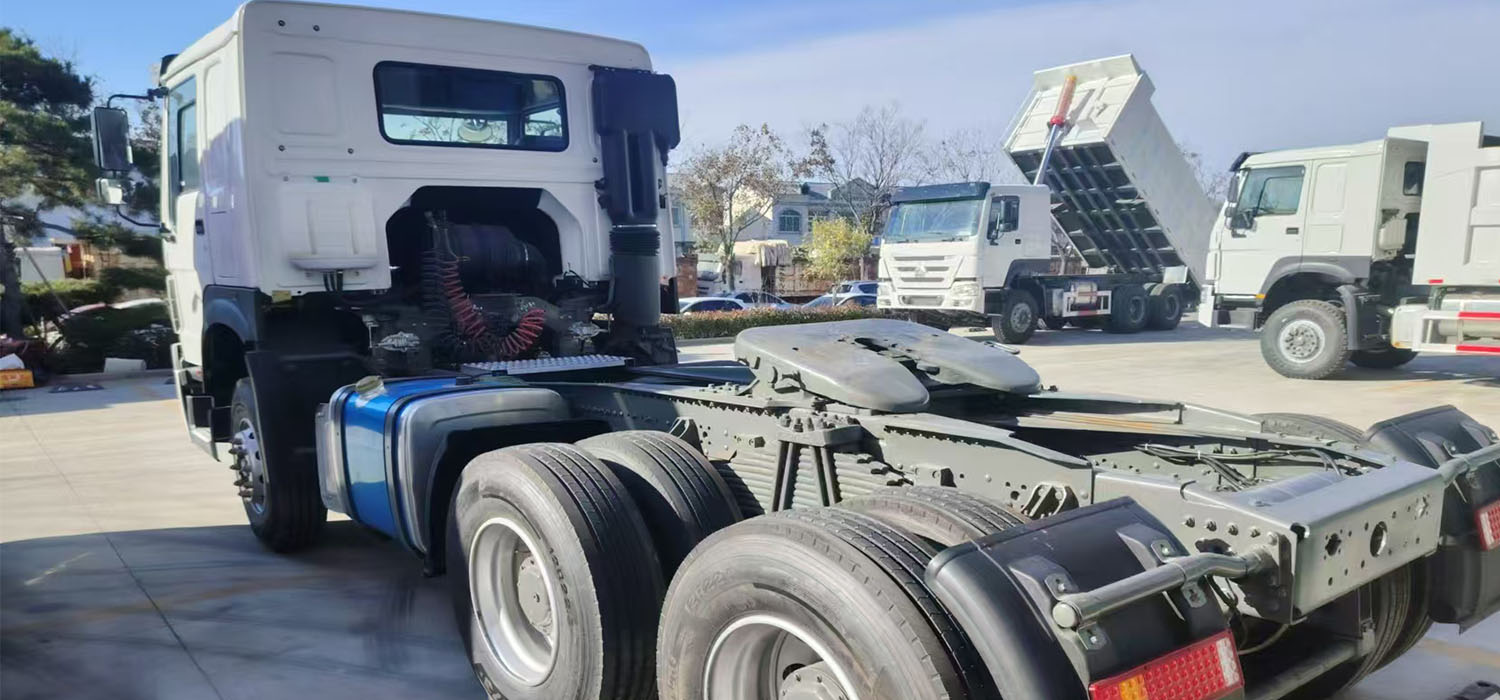
Views: 0 Author: Site Editor Publish Time: 2026-09-01 Origin: Site
Purchasing heavy commercial vehicles carries immense financial stakes. A wrong acquisition leads directly to catastrophic downtime and compounding repair costs. A Used Tractor Truck serves as a dedicated power unit designed exclusively to draw and pull a semi-trailer. It stands distinct from straight trucks because it possesses no independent cargo-carrying capacity. Fleet owners and owner-operators face a critical core problem. You must balance the lower capital expenditure of a used asset against the hidden risks of deferred maintenance, undocumented duty cycles, and impending component failures. This guide introduces a systematic, evidence-based framework for evaluating these vehicles. We focus heavily on application matching, technical inspections, and emissions system viability. You will learn how to bypass cosmetic distractions and secure a reliable asset. Objective data always outweighs seller promises. We provide the exact inspection protocols needed to protect your operation from costly mechanical failures.
Application Dictates Spec: A successful purchase requires matching the engine torque, axle ratio, and suspension directly to your specific semi trailer hauling requirements and typical terrain.
Data Over Aesthetics: Electronic Control Module (ECM) reports and fluid analysis provide the only objective truth about a truck’s history, overriding cosmetic condition or seller claims.
Emissions Systems are the Primary Risk: For post-2007 trucks, the health of the DPF, DEF, and EGR systems is the most critical factor in projecting future maintenance costs.
TCO Outweighs Purchase Price: A cheaper initial purchase price often masks imminent overhaul requirements; prioritize documented maintenance history and a solid day-one repair budget over the lowest sticker price.
You must define your specific operational parameters before looking at available inventory. Start by determining your required gross combined weight rating (GCWR). A truck pulling maximum legal weight requires a vastly different setup than one hauling lightweight consumer goods. Map out your typical routes. Flat highway driving demands different gearing than mountainous terrain. Regional climate also plays a massive role. Northern routes require cold-weather packages, block heaters, and specialized fuel-water separators to prevent winter gelling.
The specific type of semi trailer hauling dictates your ideal cab configuration and chassis layout. Dry van and refrigerated operations often benefit from aerodynamic sleeper cabs and longer wheelbases for highway stability. A 244-inch wheelbase provides excellent ride quality over long distances but sacrifices maneuverability in tight urban loading docks. Flatbed and heavy haul applications require shorter wheelbases for maneuverability and specific fifth-wheel placements to distribute weight properly across the steer and drive axles. Heavy haul setups often utilize a 14,000-pound steer axle and 46,000-pound drive axles to handle concentrated loads.
Evaluate your fuel capacity requirements carefully. Dual 120-gallon or 150-gallon tanks provide an excellent driving range, allowing you to bypass expensive fuel stations. However, diesel fuel weighs roughly seven pounds per gallon. Carrying excess fuel reduces your maximum payload capacity. Choose a Used Tractor Head that balances range with weight restrictions. Single 100-gallon tanks work perfectly for local port drayage, while cross-country operations demand maximum capacity.
Horsepower and torque bands determine how effectively a truck moves freight. Do not simply buy the highest horsepower engine available. High horsepower engines consume more fuel and often incur higher maintenance costs. Look for an engine that delivers peak torque at lower RPMs. This allows the engine to cruise efficiently at highway speeds without straining. A 400 to 450 horsepower engine with 1,550 to 1,650 lb-ft of torque easily handles standard 80,000-pound loads on flat or rolling terrain. Heavy haul operations pushing over 100,000 pounds require 500+ horsepower and 1,850 lb-ft of torque to maintain speed on grades.
Transmission selection directly impacts driver fatigue and fuel economy. Manual transmissions, like the classic Eaton 10, 13, or 18-speed, offer proven reliability and lower rebuild costs. They give experienced drivers absolute control on steep grades. Automated manual transmissions (AMTs) have dominated the market in recent years. AMTs optimize shift points for maximum fuel efficiency and significantly widen your driver recruitment pool. Modern AMTs read the road grade and adjust shifting strategies automatically, reducing driveline abuse.
Rear axle ratios finalize the powertrain equation. A lower numerical ratio provides excellent highway fuel economy but sacrifices low-end pulling power. A higher ratio delivers strong gradeability but burns more fuel at cruising speeds.
Rear Axle Ratio | Primary Characteristics | Ideal Transmission Pairing | Best Application |
|---|---|---|---|
2.64 - 2.85 | Maximum fuel economy at highway speeds, lower engine RPM. | Direct Drive AMT | Over-the-road (OTR), flat terrain, lightweight dry van. |
3.08 - 3.36 | Balanced performance, good fuel economy with moderate pulling power. | Overdrive AMT or 10-Speed Manual | Regional hauling, rolling hills, standard 80k lb loads. |
3.55 - 3.70 | Strong low-end torque, excellent gradeability, higher cruising RPM. | 13-Speed or 18-Speed Manual | Mountainous terrain, flatbed, heavy haul. |
3.90 - 4.11+ | Maximum pulling power, poor highway fuel economy. | 18-Speed Manual | Vocational, logging, extreme heavy haul, off-road. |
Never trust a clean engine block at face value. Dealerships routinely pressure-wash engines to hide active oil and coolant leaks. You must execute a strict mechanical evaluation to uncover the true condition of the powertrain.
Follow this specific engine inspection sequence:
Cold Start Observation: Ensure the engine is completely cold before starting. The engine should crank quickly and settle into a smooth idle. Prolonged cranking or heavy white smoke on startup points to failing injectors, low compression, or a weak fuel pump.
Blow-By Testing: Run the engine until it reaches operating temperature. Carefully remove the oil filler cap and rest it upside down over the opening. If the cap rattles violently or blows off, the engine has excessive crankcase pressure. Heavy, pulsing white smoke from the tube indicates worn piston rings or scored cylinder liners.
Exhaust Smoke Analysis: Observe the exhaust stack under load. Continuous black smoke indicates unburnt fuel, often caused by a restricted air intake or bad injectors. Blue smoke means the engine is burning oil, pointing to worn valve guides or failing turbocharger seals.
Fluid Sampling: Pull samples of the engine oil, transmission fluid, and coolant. Send them to an independent laboratory.
Fluid analysis acts as a blood test for the engine. It detects microscopic wear metals, fuel dilution, and coolant intrusion long before catastrophic failure occurs. High levels of iron indicate cylinder liner wear. Copper or lead points to degrading main bearings. Silicon indicates dirt bypassing the air filter, which acts like sandpaper inside the cylinders. Potassium or sodium in the oil confirms a coolant leak, often pointing to a failing EGR cooler or head gasket.
Inspect the transmission, driveshaft, and differentials. Look for fresh fluid weeping around input and output seals. Grab the driveshaft and check for excessive radial play in the U-joints. Rust dust around the U-joint caps indicates dry, failing needle bearings. The power divider and differential locks must engage smoothly without grinding or hesitation.
Pulling a comprehensive ECM report remains non-negotiable when evaluating a Used trailer Truck. The ECM records the exact operational history of the vehicle, bypassing any verbal claims made by the seller.
Extract the lifetime fuel economy and idle time percentage. High idle times severely degrade engine components. One hour of idling equals roughly 30 miles of internal engine wear. A truck with 400,000 miles but a 50% idle time has the internal wear of a truck with nearly 600,000 miles. Excessive idling also clogs the Diesel Particulate Filter prematurely.
Review the hard braking events and over-rev parameters. Frequent hard braking indicates aggressive driving, which accelerates brake, tire, and suspension wear. Check for both active and inactive fault codes. Sellers often clear active codes right before a buyer arrives. The inactive code history reveals chronic issues the previous owner failed to fix permanently. Pay close attention to repeated aftertreatment codes, as these indicate a failing emissions system. Finally, verify the ECM mileage against the physical odometer reading. Discrepancies between the two numbers strongly suggest dashboard tampering or an undocumented gauge cluster replacement.
Structural integrity dictates the safety and legality of the vehicle. Inspect the frame rails meticulously. Look for rust-jacking, where corrosion forces the frame layers apart. This commonly occurs behind the fifth wheel mounting angles and suspension hangers. Check for unauthorized welds or drill holes in the flanges. Frame flanges handle the most stress; any modification here compromises the entire chassis. Look for hairline cracks around crossmembers. A compromised frame renders the truck completely uninsurable and unsafe for highway use.
Evaluate the suspension system thoroughly. For air ride setups, listen closely for air leaks around the bags and leveling valves. Inspect the rubber air springs for dry rot, deep abrasions, or folding. Check leaf springs for shifting or broken leaves. Worn suspension bushings cause erratic tire wear and poor handling. Use a pry bar to check for excessive movement in the spring pins and shackles.
Inspect the fifth wheel assembly. Check the jaws for excessive wear by testing them with a lock tester. If the jaws have a sharp, worn lip, they require immediate replacement. Examine the mounting plate and slider mechanism. The slider teeth must engage fully into the rail slots. The entire assembly requires consistent, visible lubrication to prevent binding during turns.
The commercial truck market remains sharply divided by emissions regulations. Persistent demand exists for pre-2007 (pre-DPF) and pre-2010 (pre-DEF) trucks. These older models feature simpler mechanical designs. They lack the complex sensors, fluid dosing systems, and exhaust filters that plague newer models. This simplicity translates directly to lower routine maintenance costs and fewer sensor-related breakdowns. Mechanics can diagnose and repair these engines without relying heavily on proprietary dealership software.
However, buying a pre-emissions truck carries significant operational risks. You are purchasing an aging chassis. Metal fatigue, wiring harness degradation, and obsolete parts availability cause unpredictable downtime. Finding replacement cab modules or specific wiring harnesses for a twenty-year-old truck often requires scouring salvage yards. Furthermore, regulatory restrictions severely limit where these trucks can operate. California's CARB regulations effectively ban older, non-compliant engines from entering the state or servicing major ports. Other states and large municipalities continue to adopt similar clean-air mandates. You must weigh the mechanical simplicity against these strict geographic operating limitations.
Post-2010 trucks utilize a combination of Exhaust Gas Recirculation (EGR), Diesel Particulate Filters (DPF), and Selective Catalytic Reduction (SCR) systems. These systems reduce emissions but represent the highest maintenance liability on a used truck.
The DPF traps soot and periodically burns it off through active regeneration. Over time, incombustible ash accumulates in the filter. You must check the DPF ash accumulation levels through the ECM. Request physical documentation for recent bake-and-clean services or full filter replacements. If a filter has not been baked in over 250,000 miles, it requires immediate servicing.
Inspect the SCR system, which injects Diesel Exhaust Fluid (DEF) to neutralize nitrogen oxides. DEF crystallizes easily if the system leaks. Look for white, chalky residue around the DEF tank, dosing valve, and exhaust connections. A failing DEF doser or degraded NOx sensor will force the engine into a severe derate mode, limiting your speed to 5 MPH. Check the EGR valve and cooler. A leaking EGR cooler introduces coolant into the combustion chamber, leading to rapid catastrophic engine failure. Demand maintenance records proving these components received regular servicing.
Building a comprehensive budget requires looking far beyond the sticker price on the windshield. A successful acquisition strategy accounts for down payments, commercial insurance premiums, and state registration fees. You must establish a mandatory day-one maintenance reserve. Used trucks inevitably require immediate work, regardless of the seller's claims. Budget for fresh fluids, new filters, an alignment, and potentially a set of steer tires before dispatching the truck on its first load.
Securing commercial financing for a used asset involves strict lender requirements. Banks view older trucks as high-risk collateral. Lenders impose rigid age and mileage limits. Many banks refuse to finance trucks older than seven years or those exceeding 700,000 miles. If you pursue an older unit, expect to provide a much larger down payment and accept a shorter loan term. Your personal credit score, time in business, and hauling contracts dictate your interest rate. Secure pre-approval before shopping so you understand exactly which units fit your financing parameters.
The cheapest truck on the lot often becomes the most expensive truck to operate. You must calculate the long-term financial viability of the asset. Combine the purchase price, financing rates, projected fuel economy, and realistic lifecycle repairs. A truck with a higher upfront cost but documented maintenance records and a recent engine overhaul provides far more value than a heavily depreciated unit requiring immediate transmission work.
Target the depreciation sweet spot. Trucks between three to five years old with 300,000 to 500,000 miles offer excellent value. The initial owner absorbed the steepest depreciation hit. The engine has proven its reliability but has not yet reached its first major overhaul interval. These trucks usually feature modern safety systems, collision mitigation technology, and fuel-efficient AMTs. They remain highly financeable and often qualify for extended aftermarket warranties. Focus your search on this specific age and mileage bracket to maximize your investment.
Brand selection should rely heavily on the local and national dealership network rather than personal preference. A truck is only profitable when it is moving. When a breakdown occurs away from home, you need immediate access to parts and certified technicians. Evaluate the density of dealerships along your primary freight lanes. A brand with sparse representation leaves you vulnerable to massive towing bills and extended hotel stays.
Parts availability varies wildly between specific engine platforms. Cummins, PACCAR, and Detroit Diesel operate vast distribution networks. Routine parts like sensors, belts, and alternators remain readily available at most truck stops and independent shops. Proprietary or less common engines often require special ordering parts directly from the manufacturer. Waiting three days for a proprietary sensor eliminates your profit margin for the entire week. Choose a powertrain platform known for universal parts availability and widespread mechanic familiarity.
The market offers multiple sourcing channels, each carrying a distinct risk profile. Factory-backed certified pre-owned (CPO) programs provide the highest level of security. These trucks undergo rigorous multi-point inspections and usually include comprehensive warranties covering the engine and emissions systems. Independent commercial dealerships offer wider variety but require closer scrutiny. Private owner-operators often possess detailed maintenance logs and treat their equipment well, but these sales lack warranty protection. Fleet auctions offer the lowest upfront prices but carry immense as-is risk.
When looking for a Used tractor truck for sale, weigh the advantages of CPO programs against the potential cost savings of private sales. A CPO warranty protects your cash flow during the critical first year of ownership. If you buy from an auction or private seller, you absorb 100% of the mechanical risk the moment you drive away. First-time buyers should prioritize CPO units or reputable dealerships to avoid business-ending repair bills in the first quarter of operation.
Avoid common pitfalls by recognizing critical warning signs early in the evaluation process. Never purchase a truck with a washed or salvage title. Insurance companies total these vehicles for a reason; they often harbor hidden structural or electrical damage. Demand physical maintenance logs. If a seller claims the truck received an engine rebuild but cannot produce the shop invoice, treat the engine as original and un-rebuilt.
Beware of freshly painted frames. While some dealers paint frames for aesthetic purposes, unscrupulous sellers use thick black paint to mask severe rust-jacking or structural cracks. Inspect the tires closely. Mismatched tire brands across the drive axles indicate poor fleet maintenance. Uneven tread wear points directly to alignment issues, worn kingpins, or failing suspension components. Finally, never rely on the seller's internal shop report. You must hire an independent, certified diesel mechanic to perform a comprehensive pre-purchase inspection (PPI). Paying for an independent PPI is the best insurance policy against buying a lemon.
Take these immediate next steps to secure a reliable asset:
Define your exact specification requirements based on your heaviest typical load and primary operating region.
Secure pre-approved commercial financing to establish your hard budget limits before contacting sellers.
Locate a reputable, independent diesel inspector in your target purchasing region to handle your pre-purchase inspections.
Request sample ECM reports and fluid analysis results from sellers to gauge their transparency before traveling to view a truck.
A: A range of 300,000 to 500,000 miles is typical for a mid-life truck offering good value. Engine hours and idle time percentage matter far more than raw mileage. A truck with high miles but low idle hours and meticulous maintenance records often outlasts a lower-mileage truck with severe engine wear from excessive idling.
A: Budgeting depends on the truck's age and emissions complexity. A safe baseline is setting aside a dedicated per-mile reserve for routine maintenance and unexpected repairs. You must also establish a dedicated day-one repair fund to cover immediate needs like tires, alignments, and fluid flushes before hauling your first load.
A: Dealerships, especially those offering Certified Pre-Owned units, provide warranties, rigorous inspections, and financing assistance. Auctions offer potential cost savings but carry massive as-is risk with no recourse for hidden mechanical failures. First-time buyers should strictly avoid auctions and rely on reputable dealers.
A: Reliability depends entirely on the specific engine platform, emissions year, and the previous owner's fleet maintenance program rather than a single brand name. Engines with proven track records, widespread parts availability, and documented service histories consistently deliver the highest reliability across all major truck manufacturers.
A: Extract a full ECM report to verify mileage, idle time, and fault codes. Run a commercial VIN check to uncover accident history or title washing. Pull oil and coolant samples for independent lab analysis. Demand physical maintenance invoices from the previous owner to confirm overhaul claims.
A: Commercial lenders impose strict age and mileage cutoffs due to depreciation risks. Trucks older than seven to ten years often require significantly higher down payments and shorter loan terms. Lenders will scrutinize your business credit, hauling contracts, and time in business before approving older collateral.