Views: 0 Author: Site Editor Publish Time: 2026-07-08 Origin: Site
Procuring transport assets requires balancing upfront capital expenditure against payload efficiency. You must also prioritize regulatory compliance. Proper asset selection directly dictates daily operations and maintenance cycles. Selecting the wrong configuration severely restricts load capacity. It increases operational friction at weigh stations. Suboptimal choices also expose fleets to cargo securement vulnerabilities.
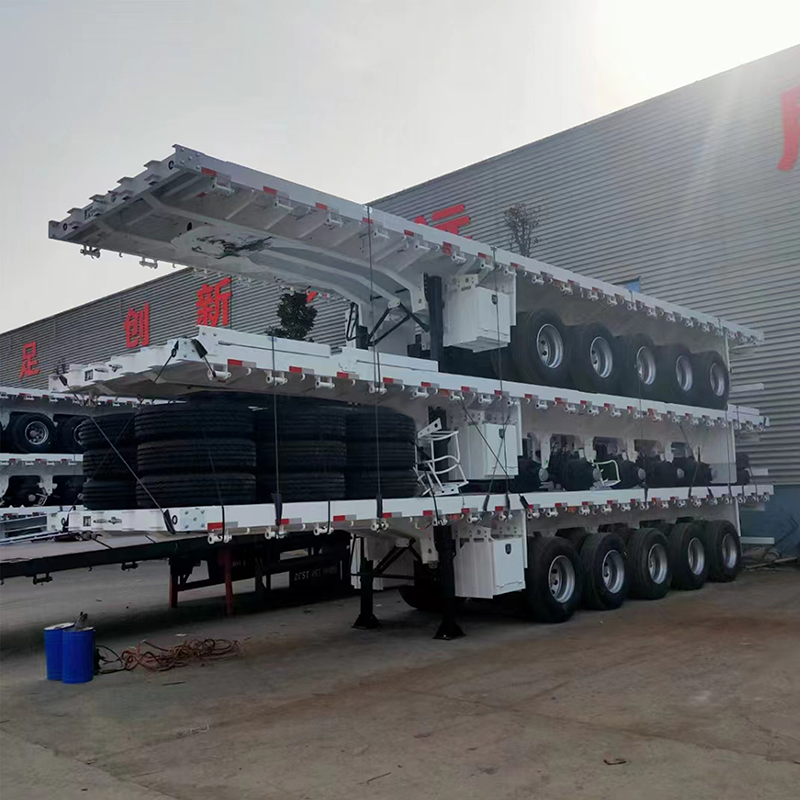
This guide outlines a structured evaluation framework. Procurement leaders will learn how to assess and shortlist assets. You will discover practical ways to acquire the right Flatbed Semi Trailers for bulk transportation. We explore material tradeoffs, dimensional compliance, and securement hardware. Fleet managers can reverse-engineer equipment choices from historical cargo data. This approach maximizes payload capabilities while preventing regulatory delays. Read on to build a smarter, more resilient fleet.
Standard open-deck designs represent the backbone of bulk transport. Typical lengths run between 48 and 53 feet. These dimensions accommodate a massive variety of freight. Under federal regulations, maximum total vehicle height caps at 13.6 feet. Standard deck heights sit around 5 feet off the ground. This leaves a maximum legal freight height of roughly 8.5 feet.
Target cargo usually includes standard bulk construction materials. Palleted industrial goods and steel coils also rely heavily on this format. These units offer fast loading from the sides, top, or rear. Crane and forklift operators enjoy unobstructed access. However, carrying over-height loads requires specialized permits. Fleet managers should evaluate their most frequent cargo dimensions. Standard units handle routine freight perfectly, but they struggle under specialized oversized demands.
Step-deck designs solve a persistent industry problem. They accommodate over-height cargo up to 10 feet tall. They achieve this without triggering expensive oversize permits. The design lowers the primary rear deck closer to the ground. This drop creates crucial vertical clearance under the 13.6-foot federal limit.
Evaluation criteria center on the deck length ratio. You must measure the upper deck space against the lower deck space. Ramps present another critical factor. Proper ramp compatibility allows operators to drive wheeled equipment directly onto the deck. Agricultural tractors, mid-sized construction loaders, and large generators fit perfectly here. Step-decks provide incredible versatility. They bridge the gap between standard models and severe heavy-haul equipment.
Heavy machinery requires specialized engineering. Removable Gooseneck (RGN) and lowboy models solve heavy haul challenges. They manage severe oversize bulk transport safely. The front gooseneck detaches entirely. This allows the lower deck to rest directly on the ground. Equipment operators simply drive massive machines onto the deck.
Decision factors focus heavily on weight limits. Heavy haul operations often demand three or more axles. Ground clearance limitations dictate routing paths. Deeply recessed decks sit inches off the pavement. They cannot navigate steep railway crossings. Permit frequency also drives this decision. If your fleet moves excavators or oversized industrial components daily, RGN units become mandatory.
Conestoga systems eliminate manual tarping. They protect weather-sensitive bulk cargo seamlessly. The retractable tarp system glides along an integrated frame. Drivers slide the entire cover forward or backward. This maintains full crane access for top-loading operations. Cargo remains dry, and drivers avoid hazardous tarping tasks.
We must acknowledge the specific trade-offs. The integrated track mechanism demands internal space. You face a slight reduction in maximum legal load width. Aerodynamics also suffer slightly compared to standard open flatbeds. Furthermore, the tarping mechanism adds tare weight. Despite these minor penalties, fast turnaround times often justify the selection.
| Trailer Type | Max Legal Cargo Height | Primary Use Case | Key Advantage |
|---|---|---|---|
| Standard Flatbed | ~8.5 feet | Pallets, lumber, steel coils | Highest versatility for standard freight |
| Step Deck | ~10 feet | Mid-sized machinery, tall crates | Avoids oversize height permits |
| RGN / Lowboy | ~11.5 feet+ | Heavy haul, excavators | Drive-on capability, extreme weight capacity |
| Conestoga | ~8.5 feet | Weather-sensitive metals, drywall | Eliminates manual tarping injuries |
Material science directly dictates profitability. Steel frames offer the highest durability for severe heavy haul operations. They withstand immense torsional stress effortlessly. However, steel carries the heaviest tare weight. This extra weight heavily reduces your legal payload limit. Steel also remains highly susceptible to rust and winter road salt corrosion.
Aluminum frames represent the premium tier. They feature significantly lighter tare weights. Dropping equipment weight maximizes payload revenue simultaneously. Aluminum provides superior corrosion resistance. Operators moving bulk commodities prefer aluminum. Every saved pound allows an extra pound of paying freight. But aluminum frames flex differently. They struggle under highly concentrated point loads.
Combination frames blend both materials. A steel main frame supports an aluminum deck structure. This serves as the industry-standard middle ground. It balances structural strength, weight savings, and acquisition costs perfectly.
Deck materials govern cargo securement success. Wood decking remains incredibly popular. Apitong and dense oak dominate the market. Wood provides extremely high friction. Chains, straps, and dunnage grip the surface aggressively. Cargo shifting risks drop significantly. Yet, wood demands ongoing maintenance. It absorbs moisture, warps, and eventually requires replacement.
Aluminum decking offers a modern alternative. It weighs far less than heavy oak. Aluminum never rots. Many manufacturers integrate specialized nailing strips into the metal. These strips allow operators to nail down dunnage securely. However, bare aluminum provides low friction. You must implement specific securement strategies to prevent cargo shifting. Rubber friction mats become mandatory under steel coils or smooth machinery.
Hardware placement dictates driver efficiency. You must evaluate the Working Load Limit (WLL) carefully. Stake pockets, pipe spools, and rub rails must handle aggressive tension. Securement points require strategic placement along the entire perimeter. Missing tie-down points severely complicate irregular loads.
Sliding winch tracks offer incredible flexibility. Drivers slide winches exactly where the strap crosses the cargo. Fixed winches restrict options. They force drivers to route straps at awkward angles. Sliding systems reduce loading times drastically. They handle mixed freight profiles easily. Additionally, recessed chain pop-ups provide extreme value. Specialized heavy bulk loads demand chains. Steel coils require heavy-duty pop-ups positioned perfectly across the deck.
Compliance prevents catastrophic fines. Meeting FMCSA (Federal Motor Carrier Safety Administration) cargo securement rules is non-negotiable. Inspectors target flatbeds heavily. Every strap, chain, and binder must display a legible WLL rating. The aggregate working load limit must equal at least half the total cargo weight.
Driver protection remains paramount. Bulkheads and headache racks prevent forward load shifts. Hard braking events generate immense forward momentum. Without a rated bulkhead, steel pipes or lumber can breach the tractor cab. DOT officers check these safety margins constantly. Properly specced Flatbed Semi Trailers keep drivers safe and loads legal.
Suspension technology determines ride quality. The industry actively debates air-ride versus spring suspension. Spring systems offer mechanical simplicity. They endure brutal off-road environments easily. However, they transfer immense road shock directly into the cargo.
Air-ride technology is rapidly becoming the standard. Air springs cushion the freight brilliantly. This reduces transit damage to sensitive industrial goods. It also improves the overall trailer lifespan. Less vibration means fewer cracked welds and shattered lights. Air-ride features higher maintenance complexity. Airline leaks and leveling valve failures occur. Yet, the protection of fragile freight outweighs these maintenance demands.
Axle spacing governs weight distribution. Closed tandem setups place axles close together. They navigate tight urban corners smoothly. However, closed tandems restrict axle weight limits under federal bridge laws.
Spread axle configurations typically space the wheels 10 feet apart. This specific distance unlocks regulatory advantages. US DOT rules allow 20,000 pounds per axle on a 10-foot spread. This provides immense weight distribution flexibility. Drivers avoid scaling issues when loads sit slightly off-center. But spread axles create intense physical drag. Tight maneuvering forces the tires to scrub sideways against the pavement. This scrubbing accelerates tire wear dramatically.
Modern fleets rely on data. Evaluating factory-ready integrations saves post-delivery headaches. You should demand built-in GPS tracking capabilities. Dispatchers need real-time location data to plan unloads.
ABS monitoring prevents dangerous brake failures. Smart sensors alert maintenance teams before a wheel locks up. Electronic weigh-station bypass technologies also streamline fleet management. Transponders allow legal, compliant trucks to bypass scale houses entirely. This saves fuel and keeps drivers moving. Factory-installed telematics harnesses eliminate messy wire splicing later.
Every ounce of equipment weight impacts revenue. You must calculate the operational return of payload-maximizing materials. Aluminum decks command a premium upfront. Yet, they shed thousands of pounds. Over a five-year operational lifecycle, this weight reduction transforms into profit. Lighter equipment hauls heavier freight. Heavier freight pays higher rates. Furthermore, lighter tare weight improves fuel efficiency on empty return trips.
Wear-and-tear realities destroy profit margins. Deck replacement cycles vary wildly based on material choice. Wood decks require rotation and eventual replacement after years of forklift abuse. Axle setups dictate brake and tire degradation. Spread axles eat through tires during city deliveries. Frame corrosion rates depend entirely on regional weather patterns. Northern fleets facing heavy road salt must prioritize galvanized steel or aluminum frames. Understanding these depreciation factors ensures accurate fleet planning.
Vendor selection shapes fleet resilience. You must assess manufacturer warranty terms meticulously. Frame warranties matter most. Additionally, verify parts availability through established dealer networks. A broken suspension component grounds a trailer. If local dealers lack replacement parts, freight stalls.
Custom-build lead times require careful navigation. Buying standard configurations off-the-lot grants immediate capacity. Custom builds allow precise securement placement and weight optimization. You must weigh the urgency of freight demand against the long-term benefits of custom engineering.
Strategic procurement demands rigorous analysis. You must match the trailer type strictly to dimensional cargo needs. Identify historical freight heights to choose between standard decks and step-decks safely. Optimize the tare weight aggressively. Lighter equipment maximizes legal payload capacity and boosts fuel efficiency. Furthermore, refuse to compromise on securement hardware. Sliding winches and rated bulkheads protect drivers while speeding up loading routines.
Implementing a successful acquisition strategy involves clear next steps:
A: Operations must respect the 80,000 lbs gross vehicle weight (GVW) limit. Net payload depends heavily on equipment tare weight. A typical trailer weighs between 10,000 and 12,000 lbs. Tractors add significant weight. This combination usually dictates a net legal payload of roughly 48,000 lbs.
A: You should transition when routine cargo heights exceed 8.5 feet. Standard equipment cannot transport these loads legally under the 13.6-foot federal height limit. Step-decks lower the rear deck closer to the ground. This prevents repeated oversize permit costs and routing delays.
A: Yes, it strongly benefits operations moving weather-sensitive goods. Conestoga systems reduce injury liability from climbing on freight. They provide much faster loading and unloading turnarounds. You must simply balance these benefits against the slight loss of 2–3 inches of internal clearance.
A: Spread axles provide flexible weight compliance. They allow 20,000 lbs per axle under US DOT rules. However, the 10-foot spacing creates severe physical drag during tight urban routing. This lateral dragging accelerates tire degradation significantly compared to closed tandem setups.