Views: 0 Author: Site Editor Publish Time: 2026-08-04 Origin: Site
Two truck quotations can use different names for the same vehicle. Worse, one price may include a trailer while another covers only the powered unit.
Understanding Tractor Truck vs Semi Truck terminology prevents expensive specification and shipping mistakes. This guide explains each term, common uses, drive layouts, key specifications, and used-truck checks. You will also learn how to prepare a clear request for quotation.
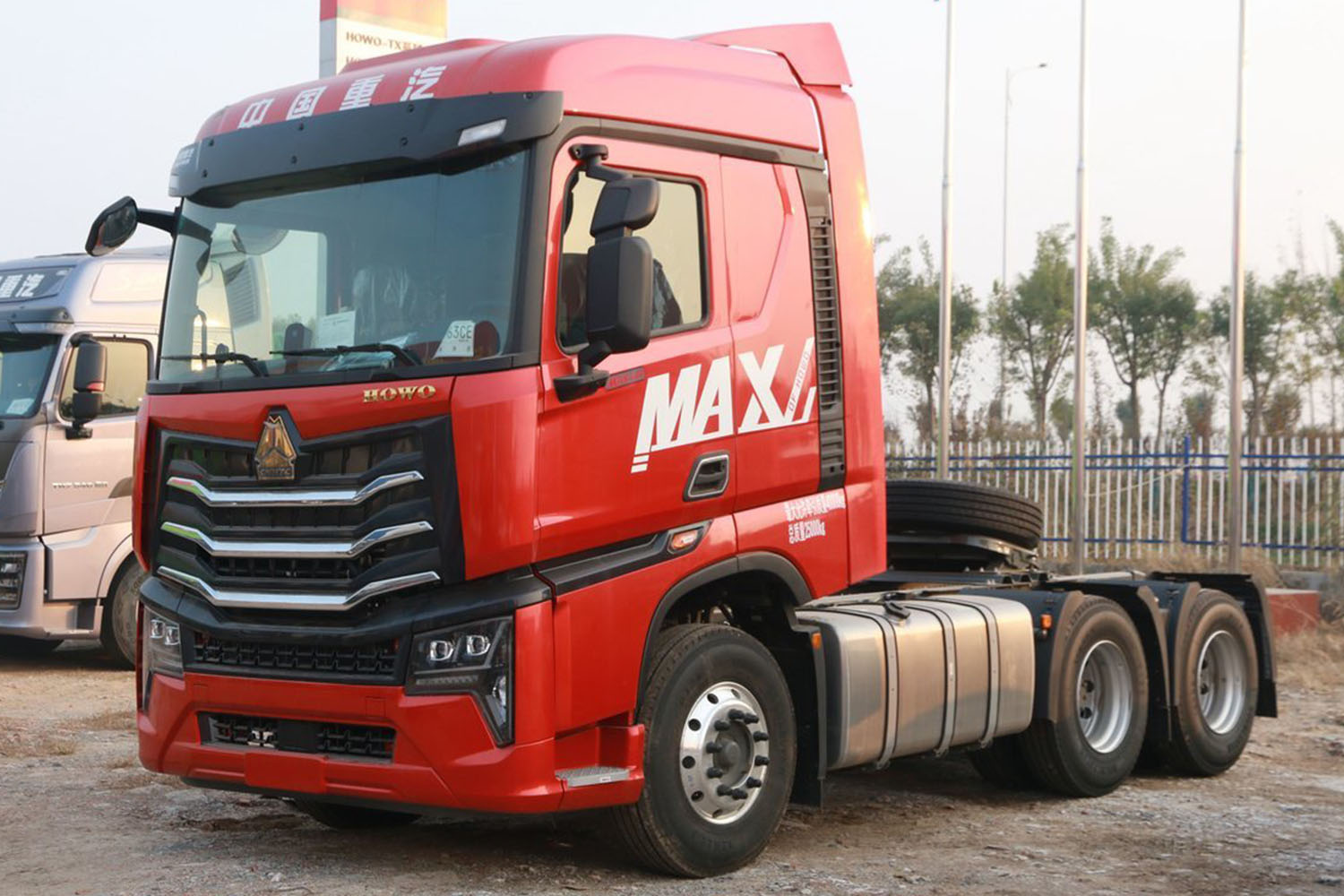
A Tractor Truck is the powered front unit designed to pull a semi-trailer. It contains the engine, cab, transmission, chassis, steering axle, drive axle, brakes, and fifth wheel. It normally has no permanent cargo body. The official truck-configuration reference describes it as a power unit built to draw a semi-trailer.
The semi-trailer connects through its kingpin and the tractor’s fifth wheel. Its rear axles carry part of the load. The tractor supports the trailer’s front portion. This shared support separates a semi-trailer from a full trailer, which carries its weight on front and rear axles.
“Semi truck” has no single meaning in everyday trade language. Some sellers use it for the Tractor Truck alone. Others mean the complete tractor and semi-trailer combination. Drivers may also say semi, tractor-trailer, articulated truck, prime mover, tractor head, or 18-wheeler.
The number of wheels can vary, so “18-wheeler” is not a universal technical definition. Regional language also changes. A buyer should focus on the supplied equipment, not the listing name.
Term | Precise meaning | What carries the cargo? |
Tractor Truck | Powered towing unit | No cargo body by itself |
Semi-trailer | Unpowered cargo unit without a front axle | Trailer body or platform |
Semi truck | Tractor alone or complete rig, depending on usage | Must be confirmed |
Tractor-trailer | Coupled tractor and semi-trailer | Semi-trailer |
This naming difference matters during procurement. “Semi truck price” may describe a tractor only, while photos show a complete combination. Ask whether the price includes the tractor, trailer, spare tire, tools, export packing, and delivery.
Your contract should list both units separately. Record each model, identification number, dimensions, tare mass, rated limits, and included equipment. Clear wording protects the buyer when inspecting, registering, shipping, and receiving the vehicle.
A day-cab Tractor Truck works well for ports, yards, city deliveries, and regional routes. It saves length and tare weight because no sleeping compartment is fitted. Drivers return to a base after each shift, so extra living space adds little value.
A sleeper-cab Tractor Truck supports long-distance freight transport. Its berth and storage reduce driver fatigue during multi-day work. Cab height, roof shape, seat support, ventilation, and air conditioning still affect vehicle height, fuel use, comfort, and route access.
A 4x2 Tractor Truck has one driven rear axle. It can suit lighter loads, paved highways, and routes favoring lower tare weight. Fewer driven components may also simplify maintenance. However, performance still depends on legal axle loads, road surfaces, and trailer weight.
A 6x4 Tractor Truck sends power to two rear axles. It usually offers stronger traction on grades, loose ground, wet roads, and construction approaches. The tradeoffs include extra weight, more components, and possibly higher fuel or tire costs.
Do not select a drive layout from habit. Compare loaded kilometers, empty returns, gradient, turning space, seasonal weather, and road quality. Then check local axle rules before approving the configuration.
Different trailers change how the tractor works. A container chassis needs correct fifth-wheel height and stable highway performance. Tankers demand careful braking and smooth power delivery because liquid can surge. Dump semi-trailers may require hydraulic equipment or a power take-off system.
Flatbeds and lowbeds can carry concentrated or oversized loads. They may need higher torque, reinforced running gear, and generous cab-to-trailer clearance. Refrigerated trailers also draw electrical or fuel-related support from their own systems, so connection details matter.
Boca Auto’s Tractor Truck range includes 6x4 units positioned for logistics, containers, bulk freight, and heavy tasks. Treat those examples as starting points. The right vehicle still depends on your trailer, route, legal mass, and service conditions.
Begin with your transport records, not a horsepower target. List the cargo, loaded trailer mass, trip frequency, daily distance, normal speed, stop count, and idle hours. Add the steepest grade, highest altitude, road surface, climate, and expected empty-return distance.
Separate average work from peak work. An oversized load moved twice yearly should not automatically define every daily tractor. However, repeated overloads destroy reliability. Your chosen configuration must handle planned peaks while operating efficiently during normal routes.
Record loading and delivery conditions too. Ports may require tight turns and frequent coupling. Mines and construction sites need traction, ground clearance, dust protection, and durable cooling. Highway fleets often prioritize aerodynamics, low cruising engine speed, fuel range, and cab comfort.
Check the tractor’s gross vehicle rating and permitted gross combination mass. Then calculate real axle loads using the tractor, trailer, cargo, fuel, driver, tools, and accessories. A high advertised towing capacity never overrides legal axle or road limits.
Confirm the kingpin size, fifth-wheel rating, coupling height, and imposed vertical load. Check cab swing, trailer landing legs, air lines, electrical connectors, mudguards, and rear-frame clearance. A compatible-looking trailer can still strike the cab or overload the drive axles during a turn.
Ask the supplier for dimensioned drawings before production or dispatch. Review the complete combination, not two isolated specification sheets. If the trailer has hydraulics, confirm pump flow, pressure, reservoir, connectors, and control method.
Rules differ by country and sometimes by province or state. Verify steering side, emissions standard, braking system, lighting, reflectors, underrun protection, dimensions, axle spacing, tire rating, and registration documents. Heavy or oversized work may also require route permits.
Do not accept “export specification” as proof of compliance. Request engine and chassis identification, manufacturing date, emissions evidence, conformity documents, and a sample registration package. Let a local authority, engineer, or customs specialist review them before payment.
Finally, confirm parts access for the destination. Filters, brake parts, sensors, clutch components, and diagnostic support matter more than impressive brochure language. A legal Tractor Truck without available service can still create costly downtime.
Horsepower helps maintain speed, but torque starts loads and climbs grades. Compare the full torque curve, not only the peak number. Engine displacement, cooling capacity, fuel quality, altitude, emissions equipment, and local service support also influence daily reliability.
The transmission must keep the engine near its useful operating range. A manual gearbox offers direct control and familiar repair methods in many markets. An automated manual can reduce shifting effort and driver variation. Either choice must match engine torque, starting grades, cruising speed, and workshop capability.
Rear axle ratio connects pulling force and road speed. A higher numerical ratio generally improves low-speed pulling but raises engine speed at cruise. A lower ratio can favor highway economy, yet it may struggle under heavy loads or steep terrain. This truck specification guide explains why payload, terrain, speed, and trailer use should guide the ratio.
Specification | Operating effect | Evidence to request |
Wheelbase | Turning radius, stability, axle loading | Dimensioned chassis drawing |
Frame and suspension | Durability, ride, articulation | Material and rated-load data |
Brakes | Stopping control and legal compliance | System layout and inspection record |
Tires | Traction, heat, load capacity | Size, load index, date, and brand |
Fuel tanks | Range, tare weight, axle balance | Usable capacity and mounting position |
A shorter wheelbase improves maneuverability, but component placement can limit fuel capacity or trailer clearance. A longer frame may improve ride and equipment space. It can also increase turning needs and tare weight. Calculate the effect using the complete combination.
Suspension must suit the road. Air suspension supports ride quality and height control on paved routes. Leaf suspension remains attractive for rough service and simpler repair networks. Neither is automatically stronger in every configuration.
Finally, inspect visibility, seat adjustment, climate control, mirrors, instruments, sleeping space, and entry steps. Driver comfort affects concentration and retention. Also check diagnostic access, filter locations, lubrication points, and common parts. Serviceability turns a promising Tractor Truck into dependable working equipment.
A new Tractor Truck offers a known starting condition, current equipment, and clearer warranty support. It also requires more capital and may lose value faster. A used unit costs less initially, but condition varies widely. Its service history matters more than fresh paint.
Build a cost model for the expected ownership period. Include purchase, finance, tax, insurance, registration, fuel, tires, scheduled maintenance, likely repairs, downtime, driver costs, and resale value. Compare cost per loaded kilometer, not only the invoice total.
Check fuel consumption using your route and gross combination mass. Seller estimates from another climate or duty cycle may not transfer. Keep a repair reserve for a used vehicle, especially during its first months of work.
Verify the chassis number against every document. Request maintenance records, ownership history, accident disclosures, engine hours, and credible mileage evidence. Start the engine cold. Look for difficult starting, smoke, leaks, unusual noise, warning lights, pressure problems, or excessive crankcase fumes.
Inspect the engine, cooling system, clutch, transmission, driveshafts, differentials, steering, suspension, air system, brakes, frame, fifth wheel, tires, wiring, and cab. Uneven tire wear can reveal alignment or suspension problems. Fresh coating may hide cracks, corrosion, or repairs.
Use a diagnostic scan and loaded road test where possible. Confirm shifting, braking, steering, temperatures, boost, and fault codes. Hire an independent heavy-truck inspector before final payment.
State the cargo, trailer type, loaded mass, route, grades, road condition, annual distance, steering side, emissions requirement, and preferred cab. Add the drive layout, power range, transmission, axle ratio, wheelbase, fifth wheel, tires, fuel capacity, and required accessories.
Boca Auto states it supplies refurbished used trucks and supports buyers through photos, videos, export documents, and international shipping arrangements. Ask for vehicle-specific evidence anyway. Your signed quotation should define actual condition, included parts, inspection method, warranty scope, exclusions, delivery time, Incoterms, port, packing, and final price.
A Tractor Truck is the powered towing unit. “Semi truck” may mean that unit or the complete rig.
Choose through cargo, trailer, route, laws, and total ownership cost. Verify every rating, document, and used-vehicle condition before payment. Boca Auto can help buyers compare available configurations against a clear operating brief.
A: Often, but “semi truck” may mean the complete tractor-trailer.
A: Normally no. The tractor supplies power and supports part of the trailer load.
A: 4x2 favors lighter highway work. 6x4 offers more traction for demanding routes.
A: Check records, drivetrain, brakes, frame, fifth wheel, tires, and diagnostics.
A: Compatible container, tanker, dump, flatbed, lowbed, and van semi-trailers.