Views: 0 Author: Site Editor Publish Time: 2026-07-12 Origin: Site
Fleet operators face a constant, critical challenge in modern intermodal transport. You must balance maximum container payload capacity against stringent legal weight limits. Achieving this delicate balance ultimately defines your overall operational efficiency and fleet viability. Every extra pound on your chassis reduces your legal cargo limit.
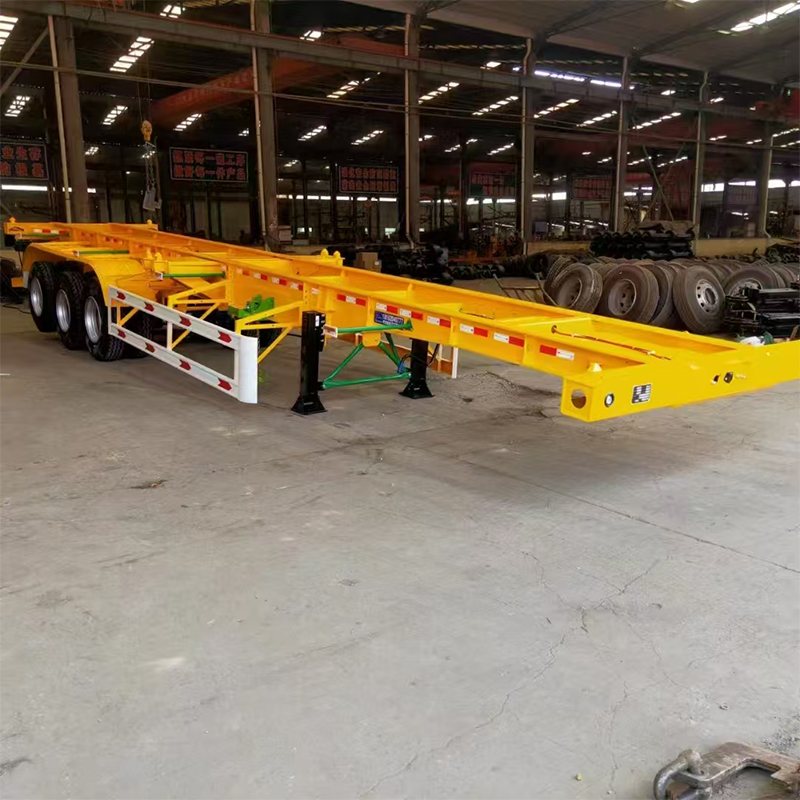
Enter the Skeleton Semi Trailer, a purpose-built solution designed exclusively for ISO container transport. It strips away unnecessary deck weight to prioritize structural integrity and maximize payload. This minimalist, open-frame design secures the container seamlessly while keeping the entire chassis incredibly light. We see fleet managers increasingly transition to these specialized assets to streamline terminal operations.
Evaluating these specialized trailers requires looking far beyond basic dimensions and generic specifications. You need to assess steel quality, twist-lock configurations, and long-term maintenance requirements accurately. Read on to discover how structural simplicity demands high-quality engineering, and learn how to optimize your fleet procurement strategy.
Structural simplicity hides immense engineering complexity. You cannot afford chassis deformation during transit. The main beam serves as the backbone of the entire asset. Engineers typically utilize an I-beam structure for this central component. Cross-member spacing dictates the overall frame rigidity. Tighter spacing improves strength but adds unnecessary weight. Optimal engineering finds the perfect middle ground to support ISO container corner castings securely.
Material selection defines performance limits. High-yield strength steel is an absolute necessity. Grades like Q345 or T700 offer superior durability compared to standard mild steel. They handle dynamic stress efficiently without permanent deformation. When a crane drops a fully loaded container onto the chassis, the steel must absorb immense kinetic energy. High-tensile alloys flex slightly and return to their original shape. This prevents catastrophic structural failure during loading operations.
Twist lock mechanisms secure the payload safely. These locks align perfectly with standardized ISO container lifting points. The configuration you choose directly impacts fleet versatility. We typically see three standard layouts in modern intermodal fleets:
Axle and suspension layouts dictate both chassis longevity and container stability. Axle placement directly affects legal weight distribution across the tractor and trailer tandem. Incorrect placement leads to bridge law violations. You must choose between air ride and mechanical leaf spring suspensions. Air ride systems absorb road shock effectively. They protect fragile cargo from vibration damage. Mechanical leaf springs offer rugged durability for severe duty cycles. They handle rough port terrain effortlessly but transmit more shock to the chassis.
Eliminating the traditional floor deck creates an immediate operational advantage. Tare weight reduction stands out as the primary performance driver. A standard flatbed requires heavy wooden or steel decking. This decking adds thousands of pounds of dead weight. Skeletal chassis remove this burden entirely. You translate this absent weight directly into increased legal payload capacity. Fleet operators haul more actual freight per trip legally.
Fuel economy improves noticeably across dedicated container routes. Aerodynamics play a huge role during empty return trips. When transporting an empty skeletal chassis back to ports or depots, wind resistance drops dramatically. The open-frame design allows air to pass cleanly through the structure. Traditional trailers act like parachutes, catching crosswinds and increasing drag. Furthermore, lighter tare weight reduces rolling resistance on the tires. Your tractor consumes significantly less diesel when pulling a skeletal frame.
Turnaround efficiency dictates terminal profitability. Intermodal facilities operate on strict, rapid schedules. The open-frame design facilitates highly efficient crane operations. Reach-stackers grip and maneuver containers swiftly. Operators do not worry about damaging side rails or flatbed decking. The container simply drops onto the twist locks, locks into place, and the truck departs. This frictionless workflow reduces dock time significantly. Rapid turnarounds mean your drivers complete more port-to-warehouse cycles daily.
Best practices dictate tracking these operational metrics closely. We recommend monitoring fuel consumption on empty runs versus loaded runs. You will quickly identify the aerodynamic and weight-saving advantages. Train your drivers to utilize terminal express lanes designed specifically for skeletal chassis operations.
Selecting the right asset requires auditing your specific freight profile. No single trailer type solves every logistical challenge perfectly. You must understand the functional compromises inherent in each design. Let us examine how skeletal models compare against their primary alternatives in the market.
Choosing between a skeleton and a flatbed depends strictly on your cargo mix. Skeletal trailers represent the optimal choice for routes featuring 100% dedicated container freight. They offer the lowest possible tare weight and the highest operational efficiency. However, they lack the solid floor needed for general freight. Flatbeds become necessary if your fleet requires versatility. You might haul break-bulk cargo, construction materials, or heavy machinery alongside occasional containers. Flatbeds sacrifice container payload capacity to gain general cargo utility.
The decision between a straight-frame skeleton and a gooseneck drop-deck design involves height regulations. High-cube containers sit taller than standard ISO boxes. Transporting them on a straight frame often pushes the total vehicle height past legal limits. Gooseneck trailers feature a lowered rear deck. This drop accommodates high-cube containers effortlessly. It maintains a lower center of gravity and ensures strict compliance with bridge and tunnel height clearances. Conversely, straight-frame skeletons remain the standard choice for standard-height containers. They offer simpler structural maintenance and feature fewer stress concentration points.
| Trailer Type | Primary Application | Payload Efficiency | Cargo Versatility |
|---|---|---|---|
| Straight Skeleton | Standard 20ft / 40ft Containers | Very High | Low (Containers Only) |
| Gooseneck Skeleton | High-Cube (HC) Containers | Very High | Low (Containers Only) |
| Standard Flatbed | Mixed Freight / Break-Bulk | Moderate | High |
| Extendable Skeleton | Variable Length Containers | High | Moderate (Multiple ISO sizes) |
Deploying specialized assets requires rigorous adherence to regional transport laws. Regulatory compliance protects your fleet from severe penalties and operational downtime. You must align the trailer specification directly with local bridge laws. Maximum gross vehicle weight ratings vary significantly across jurisdictions. Axle load limits dictate how you must position the container on the chassis. An improperly placed 20ft container on a 40ft chassis can overload the tractor drive axles easily.
We must examine these units through a skeptical lens to identify known vulnerabilities. Structural simplicity does not guarantee immunity from mechanical failure. Heavy, repeated impacts from terminal cranes cause stress fractures over time. These micro-cracks typically appear at cross-member welds or suspension hangers. Twist-lock mechanisms represent another common point of failure. Thread stripping occurs when operators force locked mechanisms or neglect lubrication. Furthermore, improper axle alignment leads to rapid, uneven tire wear. This misalignment destroys tires prematurely and drastically reduces fuel economy.
Understanding maintenance realities ensures long-term asset viability. Skeletal trailers leave critical components exposed to the elements. Pneumatic brake lines route openly along the main beams. They face constant exposure to road debris, ice, and corrosive port salt. You must establish strict inspection protocols to mitigate these risks.
Acquiring dependable assets requires a highly structured procurement approach. You cannot base decisions purely on exterior appearances or basic dimensional drawings. Demand absolute material and component transparency from every shortlisted manufacturer. Ask for verifiable metallurgical specifications detailing exact steel grades. Insist on recognized, branded components for all critical moving parts. Specify premium axles from manufacturers like BPW, SAF, or Fuwa. Demand advanced Wabco braking systems to ensure consistent stopping power.
Evaluate manufacturers based closely on their engineering customization capabilities. Top-tier builders adapt their base designs to fit your precise operational needs. You might require extendable chassis known as slider trailers. These units expand or retract to handle different container lengths legally. Alternatively, you may need custom terminal trailers designed specifically for off-highway port operations. A manufacturer’s ability to modify blueprints demonstrates deep engineering competence.
Focus heavily on long-term reliability and aftermarket support. Evaluate the comprehensiveness of the factory warranty terms. Review the exact anti-corrosion treatments applied during manufacturing. Harsh, saline port environments destroy untreated steel rapidly. Look for rigorous surface preparation, including full-frame shot blasting. Require premium coatings like baked polyurethane painting over basic acrylics. Polyurethane seals the metal completely against moisture penetration. Finally, verify the immediate availability of proprietary spare parts in your operating region.
The modern skeleton semi trailer remains a highly specialized, mission-critical asset for intermodal logistics. Its structural simplicity removes dead weight, maximizing your legal payload and slashing fuel consumption. However, this minimalist design demands exceptional engineering, high-yield steel, and precision manufacturing to survive harsh port environments safely.
Before initiating any procurement process, take these immediate next steps:
A: A standard 40ft skeletal chassis typically weighs between 10,500 and 12,500 pounds. The exact figure depends heavily on the steel grade utilized. Manufacturers using premium T700 high-yield steel can achieve tare weights on the lower end of this spectrum while maintaining total structural integrity.
A: Yes, provided it features a 12-lock configuration. The chassis requires middle twist locks to secure the adjacent container corners. You must also ensure the combined weight of both containers strictly adheres to regional axle load limits and bridge formulas for proper weight distribution.
A: A well-maintained chassis operates efficiently for 12 to 15 years. Harsh, saline port environments accelerate rust significantly. Achieving this lifespan dictates the absolute need for premium anti-corrosion coatings like shot-blasted polyurethane paint, alongside rigorous weekly inspections of welds and locking mechanisms.