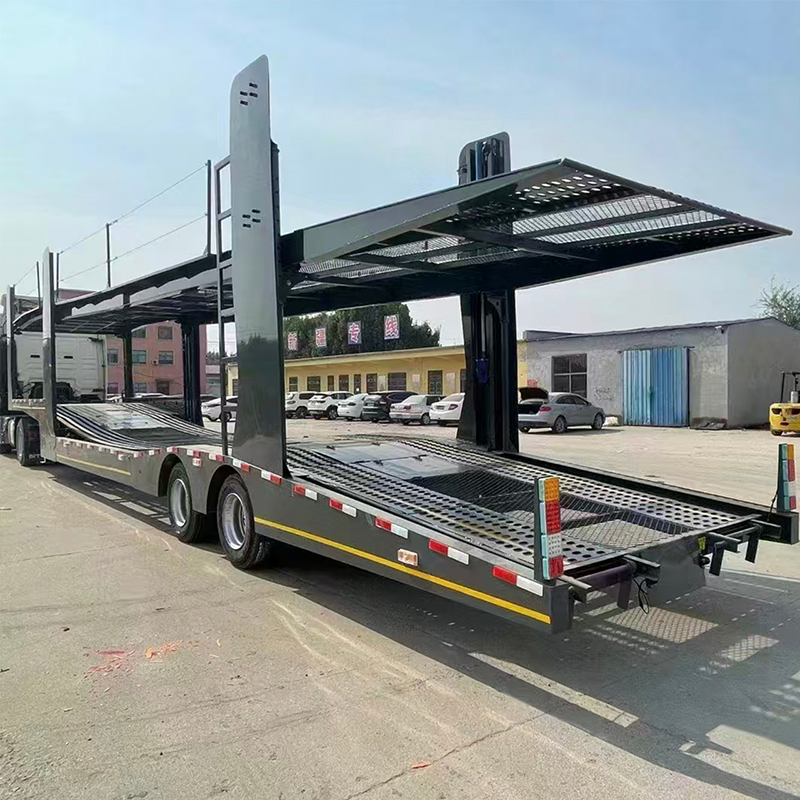
While the basic definition of a box trailer remains incredibly simple, evaluating one involves a highly complex capital decision. Every logistics operation relies on moving assets securely from one location to another. Miscalculating your required size, material construction, or payload capacity often leads to severe regulatory fines. Furthermore, choosing the wrong structural configuration causes accelerated wear. It might simply provide inadequate cargo space for your daily needs. You cannot afford to match the wrong equipment to demanding operational tasks.
This guide serves as an objective decision matrix. We designed it to help buyers transition from researching fundamental concepts to actual procurement. You will learn exactly how to evaluate which configuration fits your specific operational needs. We will explore axle differences, material science tradeoffs, and crucial compliance metrics. You will gain actionable insights regarding proper payload calculations and safety standards.
A box trailer functions as a fully sealed transport unit. It lacks an engine. A powered vehicle must tow it. Industry professionals often call them enclosed trailers or cargo trailers. These units serve as mobile vaults. They protect whatever materials you need to haul.
We must briefly contrast them against open utility options. Open designs offer quick loading capabilities. They provide unrestricted height clearance. However, enclosed units completely change the logistics equation. They serve an entirely different purpose.
You gain secure, weatherproof transit. High-value goods remain safe from rain, snow, and road debris. Expensive equipment stays completely out of sight. Sensitive materials avoid environmental degradation during long transits. This enclosed environment significantly reduces theft risks. It ensures your cargo arrives in pristine condition.
These benefits require certain compromises. You will face a higher upfront investment. The solid walls increase wind resistance significantly. A heavier base weight (known as tare weight) directly reduces your overall payload capacity. Your tow vehicle works much harder. Fuel consumption inevitably increases during highway driving. You must account for these variables during your initial planning phase.
Selecting the right footprint determines your operational success. Standard sizes dictate your interior volume. They also restrict your routing capabilities. You must match the physical dimensions to your daily routes.
Your axles carry the physical burden. They determine your Gross Vehicle Weight Rating (GVWR). Choosing the wrong axle setup restricts your earning potential.
These demand lower routine maintenance. You use them primarily for lighter loads. Their GVWR typically stays under 3,000 lbs. They maneuver easily in tight parking lots. Single axles work best for weekend warriors or light-duty tasks.
Heavy loads strictly require dual axles. They remain essential for proper weight distribution. You gain crucial stability at highway speeds. Heavy payloads demand this setup. Typical ratings range from 7,000 lbs to over 10,000 lbs GVWR. Tandem configurations often mandate independent braking systems.
Always choose a footprint slightly larger than your current requirements. Operations naturally scale over time. Having extra room prevents premature equipment upgrades. Remember to measure your standard cargo carefully. Do not forget to account for interior wheel wells. Wide-body units often keep wheels inside the frame. This reduces your actual flat floor space.
Materials fundamentally dictate weight, longevity, and repair scenarios. You must evaluate the structural skeleton carefully. The outer skin also demands your attention.
Manufacturers generally offer two primary material choices. Each presents distinct advantages and clear limitations.
Steel: This metal provides higher tensile strength. You pay a lower initial purchase price. However, steel remains highly vulnerable to rust. It requires constant paint maintenance. It is also significantly heavier. This extra weight directly drops your legal payload capacity.
Aluminum: This material feels much lighter. A lighter empty unit increases your available legal payload capacity. It naturally resists rust and corrosion. However, it commands a premium price tag. If damaged, it requires specialized welding techniques for proper repair.
| Feature | Steel Construction | Aluminum Construction |
|---|---|---|
| Tensile Strength | Exceptionally high | Moderate to high |
| Corrosion Resistance | Low (requires coating) | Very high (naturally rust-resistant) |
| Base Weight | Heavy (reduces payload) | Light (maximizes payload) |
| Repair Complexity | Standard welding required | Specialized TIG welding required |
Aerodynamics play a massive role in towing efficiency. Your roof profile affects interior space and wind drag.
Flat Roof: This design maximizes your interior cubic volume. Standard manufacturing processes keep costs stable. It allows you to stack boxes perfectly to the ceiling.
V-Nose: This pointed front improves aerodynamic efficiency. It slices through head winds effectively. You reduce your towing fuel consumption noticeably. It also adds marginal interior space at the very front. Many use this V-space for custom shelving.
Your loading mechanism dictates your door choice. Evaluate your daily loading environments.
Forklifts and heavy hand trucks absolutely require ramps. You roll heavy goods directly inside. Barn doors swing open sideways. Tight urban loading docks strongly favor barn doors. You can back up perfectly flush against a concrete platform. Forklifts can then load pallets straight in.
Safety and legality intertwine deeply in logistics. Ignoring these factors invites catastrophic failures. You must respect weight limits and government regulations.
You must accurately calculate your true payload capacity. You take the GVWR and subtract the unit's empty weight. The remaining number equals your absolute safe payload limit. Overloading brings severe physical risks. Tires blow out unexpectedly. Axles bend under stress. Brakes fail on steep declines. Always leave a safety margin. Never load to the absolute maximum.
You must match the loaded unit to your towing vehicle's capacity. Never exceed the truck manufacturer limits. Tongue weight requires extremely careful calculation. It typically demands 10% to 15% of the total loaded weight. Improper tongue weight causes dangerous trailer sway.
Common Mistake: Imagine loading heavy pallets near the rear doors. This action removes critical weight from the tongue. The resulting negative tongue weight causes violent highway sway. Always load your heaviest items slightly ahead of the axles.
The Department of Transportation (DOT) sets strict baseline rules. Compliance remains completely non-negotiable. Law enforcement routinely inspects commercial setups.
Standard factory locks offer minimal protection. Motivated thieves defeat them easily. You must invest in robust security upgrades. Aftermarket puck locks prevent bolt cutter access. GPS tracking systems help authorities recover stolen assets quickly. Heavy-duty upgraded hinges prevent forced entry via crowbars.
Acquiring equipment forces a critical financial decision. You must choose between purchasing and leasing. Each path serves different operational timelines.
High-frequency usage easily justifies an outright purchase. If you require specific custom build requirements, you must buy. Shelving units and electrical packages need permanent installation. You cannot drill into a leased unit. Ownership gives you total control over maintenance schedules. You also gain long-term asset depreciation benefits for your tax strategy.
Short-term logistical spikes make leasing highly attractive. Seasonal demand fluctuations do not require permanent fleet expansion. Leasing preserves your daily cash flow. You completely avoid ongoing maintenance overhead. The leasing company handles tire replacements and brake jobs. You simply return the unit when your busy season ends.
The current market dictates your deployment timeline. You must understand dealer inventory dynamics.
"In-stock" units offer immediate deployment. You can drive away today. However, you will likely compromise on exact specifications. You settle for the door type or color available.
"Custom-ordered" units yield your exact requirements. You get the precise axle setup and roof profile needed. However, they carry significant lead times. You must plan procurement months in advance. Factories operate on strict schedules.
Choosing the correct equipment is an exercise in precise balance. You must weigh your daily payload requirements against your vehicle towing capacity. You must also balance material benefits against your initial budget. Overlooking a single specification can cripple your operational efficiency.
Take immediate action on these next steps:
A: These terms are entirely synonymous within the industry. They describe the exact same enclosed transport unit. Regional dialects and specific manufacturers often prefer one term over the other. Both offer secure, weatherproof transit for various goods.
A: Yes. While basic liability often extends from the towing vehicle, it rarely covers the trailer itself. Comprehensive coverage for the unit and its internal contents usually requires a separate commercial or specific equipment policy. Always verify coverage details with your insurance agent.
A: A well-maintained unit generally lasts 10 to 15 years. Aluminum frames often exceed this lifespan due to high rust resistance. Total longevity remains highly contingent on routine maintenance, material choice, and daily load stress.
A: Yes. Owners frequently add aftermarket modifications. Common upgrades include E-track installation, roof ventilation, and interior wood finishing. However, cutting into the frame or altering electrical systems might void your manufacturer warranty. Always consult your dealer before drilling.