Views: 0 Author: Site Editor Publish Time: 2026-07-11 Origin: Site
Trailer terminology often blurs the lines between different equipment types. Buyers frequently use "cargo trailer" and "enclosed trailer" interchangeably. This habit creates significant confusion during the procurement process. Selecting the wrong trailer type creates serious operational headaches down the line. You might face compromised payload capacity for heavy hauls. You could suffer severe weather damage to sensitive goods. An improper choice also puts unnecessary towing strain on your primary vehicle. We wrote this guide to provide a clear, technical breakdown of trailer classifications. We explore structural differences, performance impacts, and crucial scaling thresholds. We aim to help you make a finalized purchasing decision. By understanding these technical distinctions, you can align your rolling equipment perfectly with your specific logistical needs. We will cover frame dynamics, weight distribution, and real-world usage scenarios in detail.
We must first define the overarching terminology. A cargo trailer represents any non-motorized vehicle designed primarily for transporting goods. It hitches to a powered tow vehicle. This broad classification encompasses many specialized designs. It includes open utility trailers used for lawn care. It covers heavy-duty flatbeds designed for hauling lumber. It also includes hydraulic dump trailers used in commercial construction. The core unifying feature is simply the capacity to carry a physical load. Manufacturers build these platforms to handle diverse, rugged environments. They focus strictly on structural integrity and maximum axle strength.
Enclosed trailers exist as a highly specialized subset within the broader cargo umbrella. We often refer to them simply as box trailers. They feature a rigid structural frame. Manufacturers wrap this frame with solid exterior walls. They top it with a weatherproof roof. This design serves a very specific primary purpose. It creates a highly secure, climate-protected mobile environment. You isolate the internal freight from external environmental factors. Rain, snow, and road debris cannot reach the cargo. This sealed environment fundamentally changes how you can utilize the internal space.
Why do industry professionals and buyers constantly mix these terms? Regional dealership vernacular bears most of the blame. Local sales representatives often use shorthand terminology. They might casually label a small open utility model as a "cargo." Conversely, they brand a massive racing rig strictly as an "enclosed." In reality, both units represent cargo platforms. This loose language misleads new buyers. It obscures the actual structural specifications. We must look past these arbitrary marketing labels. We need to evaluate the core engineering of each unit instead.
The foundational frame dictates every performance metric. Manufacturers typically choose between aluminum and steel framing. Steel frames dominate the industrial market. Steel provides exceptional torsional rigidity. It resists twisting forces on uneven terrain beautifully. However, steel carries a massive weight penalty. It also succumbs to rust if scratched. Aluminum framing offers a premium alternative. Aluminum naturally resists severe corrosion. It saves hundreds of pounds in base weight. This massive weight savings directly improves your daily towing experience.
We must carefully evaluate payload realities. The wall and roof structures consume a massive percentage of your available axle rating. Every metal stud and exterior skin panel adds dead weight. This leaves far less functional capacity for your actual freight. An open platform utilizes almost its entire Gross Vehicle Weight Rating (GVWR) for cargo. An enclosed frame might consume a third of its GVWR before you load a single box.
Best Practice: Always check the factory tare weight stamp. Do not assume your enclosed unit can hold the same payload as an open unit of equal size.
Towing an enclosed platform fundamentally changes vehicle dynamics. It introduces the dreaded "sail effect." The large, flat frontal area acts like a massive wall. It creates intense aerodynamic drag at highway speeds. Your tow vehicle engine must work significantly harder to overcome this resistance. This extra engine strain drastically reduces your overall fuel efficiency. Many operators report a 20% to 40% reduction in fuel economy.
Manufacturers attempt to mitigate this wind drag through nose design. You will encounter flat-front and V-nose configurations. A flat-front pushes a solid wall of air forward. It generates massive turbulence. A V-nose design slices through headwinds much more effectively. It directs airflow smoothly along the side panels. This aerodynamic improvement eases transmission strain on your tow vehicle. It also provides a slight bonus in interior storage depth.
Loading mechanisms determine your daily operational efficiency. You must match the door style to your primary loading method. Enclosed units typically feature either ramp doors or barn doors. Ramp doors feature a heavy-duty spring-assisted hinge at the bottom. They fold down to create a drivable incline. They work perfectly for wheeled equipment. You can roll motorcycles, hand trucks, or mowers straight inside.
Barn doors feature side-mounted hinges. They swing completely open and secure against the exterior walls. They provide unrestricted access to the rear threshold. This makes them ideal for forklift loading in tight commercial docking spaces. Cargo securement also changes dramatically between the two styles. Enclosed walls offer vertical mounting surfaces. You can install horizontal E-tracks along the interior walls. This allows you to strap tall, top-heavy cargo safely. Open beds lack these vertical anchor points. They rely entirely on floor-mounted D-rings or side stake pockets. You must tie everything down tightly toward the deck.
Selecting the correct platform requires a strict analytical approach. You must map your daily logistical requirements against the structural capabilities of each type. We can break this decision down into clear operational scenarios.
When to Choose an Open Cargo Trailer:
When to Choose an Enclosed Trailer:
We can summarize these operational differences in a clear comparison matrix.
| Operational Feature | Open Cargo Trailer | Enclosed Trailer |
|---|---|---|
| Maximum Payload | Exceptional (Low tare weight) | Moderate (Heavy frame structure) |
| Weather Protection | None (Requires manual tarping) | Superior (Fully sealed environment) |
| Security Level | Low (Exposed freight) | High (Lockable side and rear doors) |
| Loading Versatility | High (360-degree access possible) | Limited (Restricted to rear/side doors) |
| Aerodynamic Drag | Minimal (Low profile) | High (Significant sail effect) |
Every growing logistics operation eventually hits a hardware ceiling. Standard bumper-pull and gooseneck models face strict physical limits. You cannot simply buy a longer box trailer indefinitely. Most traditional enclosed models reach their maximum safe length around 40 to 50 feet. They also hit hard GVWR limitations defined by standard axle ratings. Pushing beyond these limits causes severe safety hazards. Axles bend under extreme stress. Frame welds crack from severe torsional load. Furthermore, navigating a massive gooseneck through dense urban environments becomes incredibly dangerous. You reach a distinct point of diminishing returns.
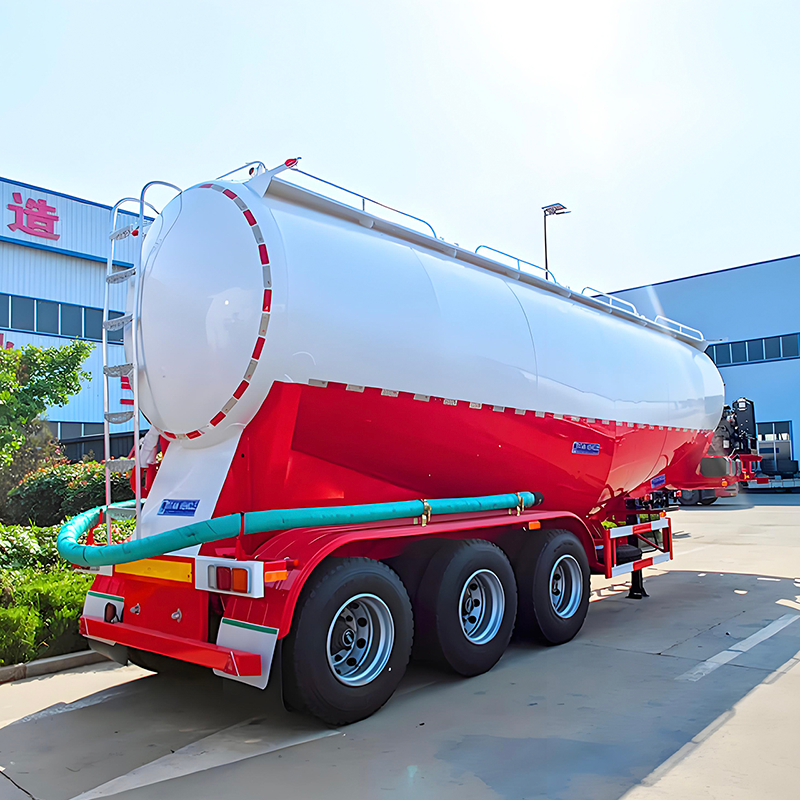
High-volume operations must eventually transition to enterprise-level equipment. This means upgrading to a standard semi trailer. These massive commercial assets completely redefine your hauling capabilities. A standard dry van easily swallows dozens of palletized loads in a single trip. A refrigerated unit maintains precise, multi-zone temperature controls for fragile perishables. They align perfectly with commercial warehouse infrastructure. Forklifts can drive straight across the dock plate and into the nose of the unit. This transition unlocks true logistical efficiency.
Moving to commercial platforms requires a massive shift in organizational structure. You leave the consumer towing world behind. You must invest heavily in specialized commercial tractor-trucks. Your operators must hold active Commercial Driver's Licenses (CDL). Your entire fleet falls under rigorous Department of Transportation (DOT) compliance frameworks. Drivers must maintain strict daily logbooks. Vehicles must pass routine commercial safety inspections. Furthermore, your physical infrastructure needs will change. Commercial units require massive turning radiuses. They need specialized high-dock parking facilities. You must prepare your organization for these strict operational realities.
Procuring new equipment involves significant long-term commitments. You must plan for ongoing maintenance and daily operational hurdles. Failing to account for these factors leads to unexpected downtime and rapid asset depreciation.
Open models feature straightforward, predictable maintenance routines. Follow these standard practices:
Enclosed platforms require far more intensive attention. The exterior shell presents numerous failure points. Roof seals degrade constantly under intense UV radiation. You must inspect the roof seams every quarter to prevent catastrophic water intrusion. Wall panel integrity matters immensely. A simple dent can pop vital rivets, compromising the rigid structure. Rear door mechanisms require frequent lubrication. Heavy torsion springs snap abruptly if left ungreased.
Common Mistake: Ignoring micro-leaks in a box roof. A small drip can completely rot a plywood subfloor within a few months.
You must secure adequate parking for your equipment. Enclosed models present severe physical footprint challenges. They feature massive height clearances. Most will never fit inside a standard residential garage. Many Homeowner Associations completely ban them from residential driveways. Their massive profile makes maneuvering in tight commercial lots incredibly difficult. High winds pose a unique risk during storage. A sudden gust can easily tip an empty, unhitched box model if parked broadside to the wind.
You want your asset to retain maximum value over time. Market demand heavily influences residual value. Enclosed models generally hold a higher percentage of their initial value on the secondary market. Plumbers, electricians, and racing hobbyists constantly seek quality used units. However, this high retention rate comes with strict conditions. You must maintain impeccable cosmetic upkeep. Secondary buyers quickly reject units showing exterior rust, severe hail damage, or extensive interior gouges. Open platforms degrade visually much faster. They lose their aesthetic appeal, but they retain their raw functional value much longer.
Your equipment choice fundamentally dictates your daily operational efficiency. The decision hinges entirely on balancing your hard payload limits against your need for environmental protection.
Consider these final thoughts as you prepare to move forward:
Take immediate action to formalize your procurement decision. First, calculate your required GVWR with precise accuracy. Next, measure your tow vehicle's exact payload and hitch capacities. Finally, request a detailed consultation with a specialized dealer to verify all dimensional specifications before making your final purchase.
A: Registration depends primarily on overall weight and commercial usage, rather than the body style. Most jurisdictions base their license plate requirements on the Gross Vehicle Weight Rating (GVWR). Commercial usage often triggers different DOT tag requirements. Always check your specific state regulations to confirm exact weight thresholds.
A: Yes, but only within very strict limits. SUVs possess shorter wheelbases and softer suspensions compared to standard pickup trucks. You must strictly verify the SUV's maximum payload capacity and frontal area limitations. Towing a large box creates severe aerodynamic drag, which can quickly overheat an SUV transmission.
A: Tarping works for occasional short trips, but it presents serious long-term operational drawbacks. Securing tarps wastes valuable daily labor hours. Tarps flap violently at highway speeds, risking severe damage to fragile goods underneath. Investing in a hard-sided model eliminates wind-damage risks entirely and vastly improves daily loading efficiency.
A: A car hauler represents a highly specialized, heavy-duty version. Manufacturers reinforce the floor joists to support concentrated vehicle mass. They position the axles further back to maintain safe tongue weight. Car haulers also feature recessed floor D-rings and specialized rear ramp doors engineered for extremely low-clearance vehicles.